A semi-basement flat in Seoul had sat full of belongings for two years. Seven of us cleared it in four hours with 주거복지연대 (Citizens for Decent Housing). Nobody will live there again, so what should it become?
약 2년 동안 짐으로 가득 차 있던 서울의 반지하 집을 주거복지연대와 함께 네 시간 만에 비웠습니다. 이제 아무도 살 수 없는 이 공간은 무엇이 되어야 할까요?
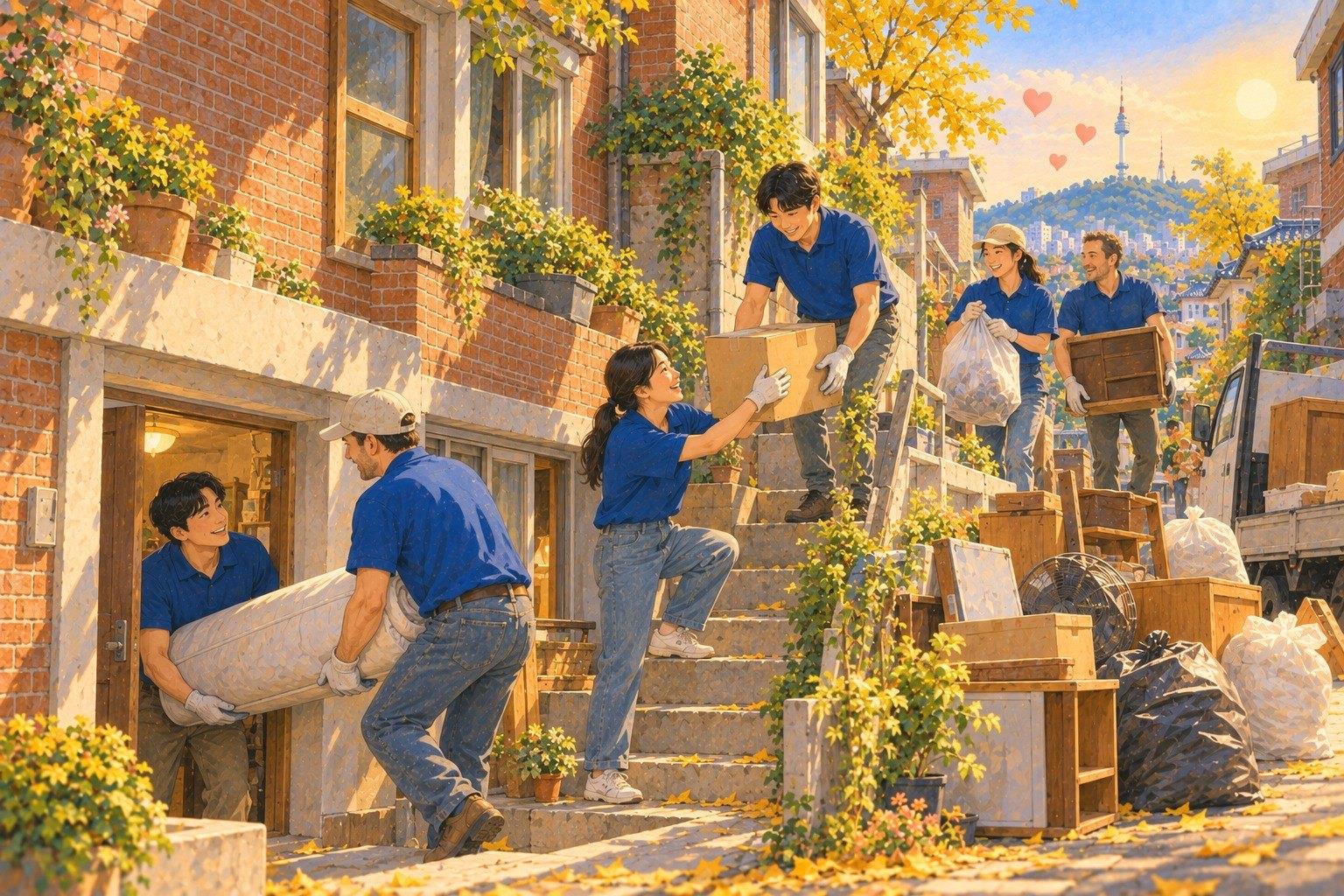
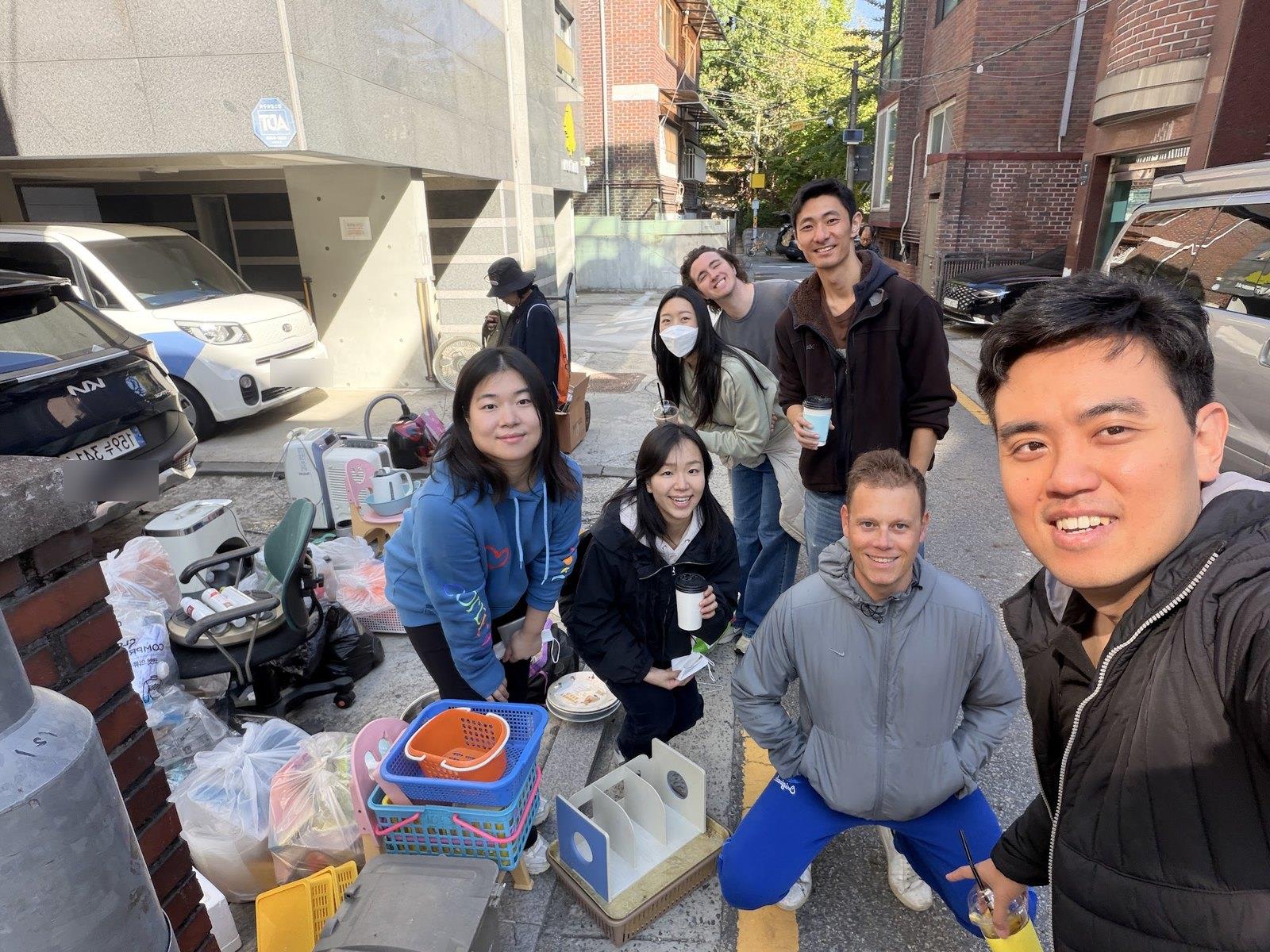
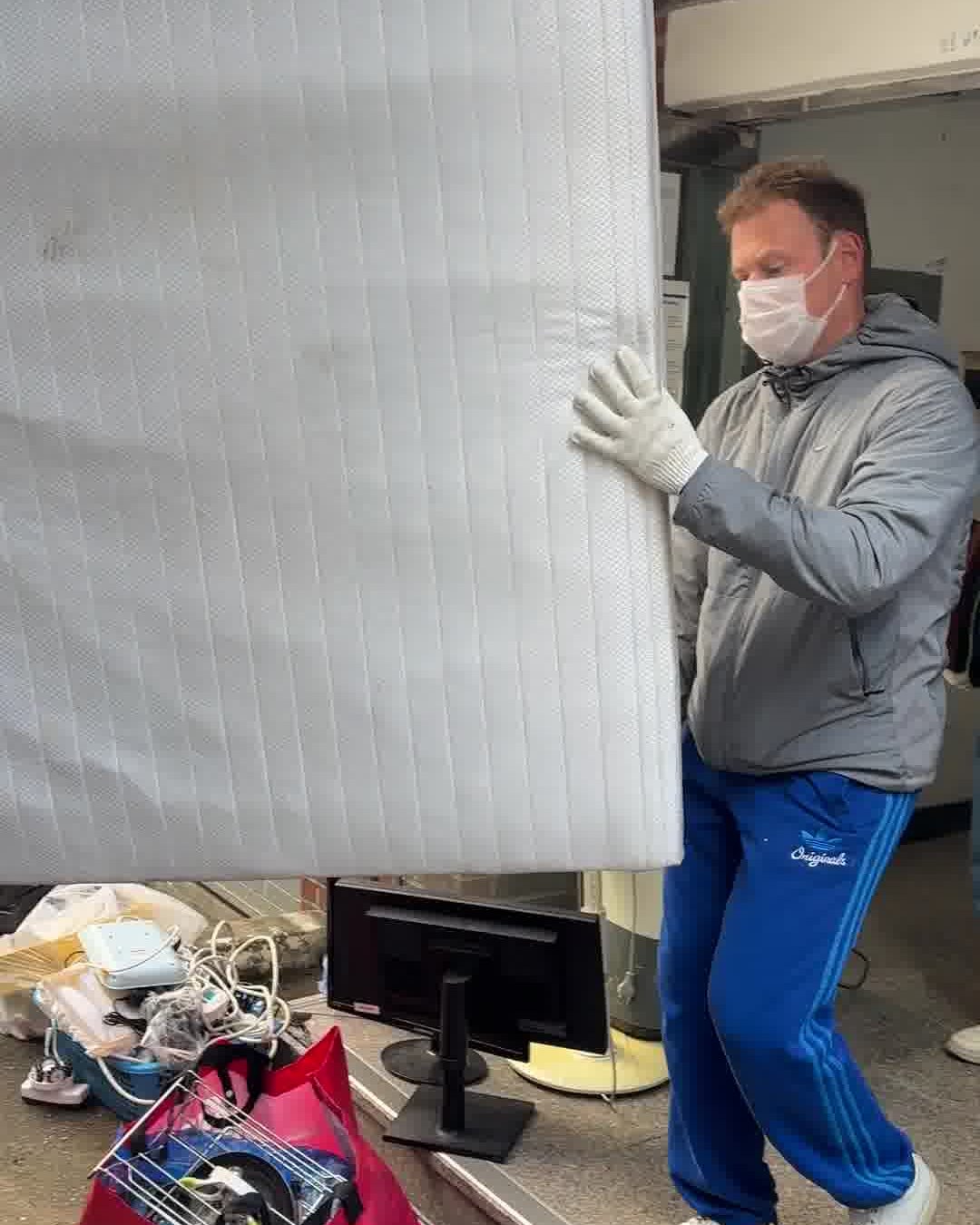
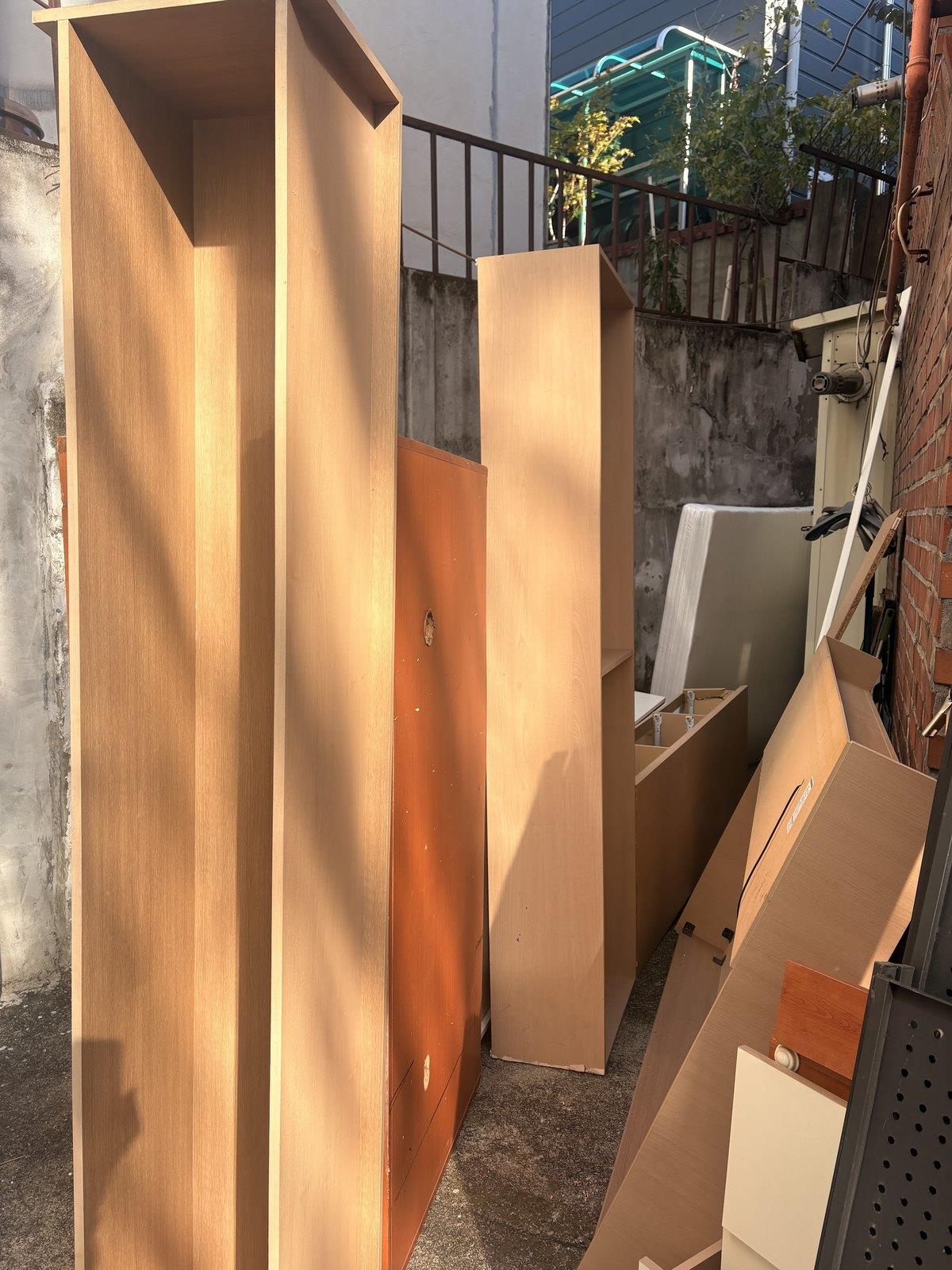
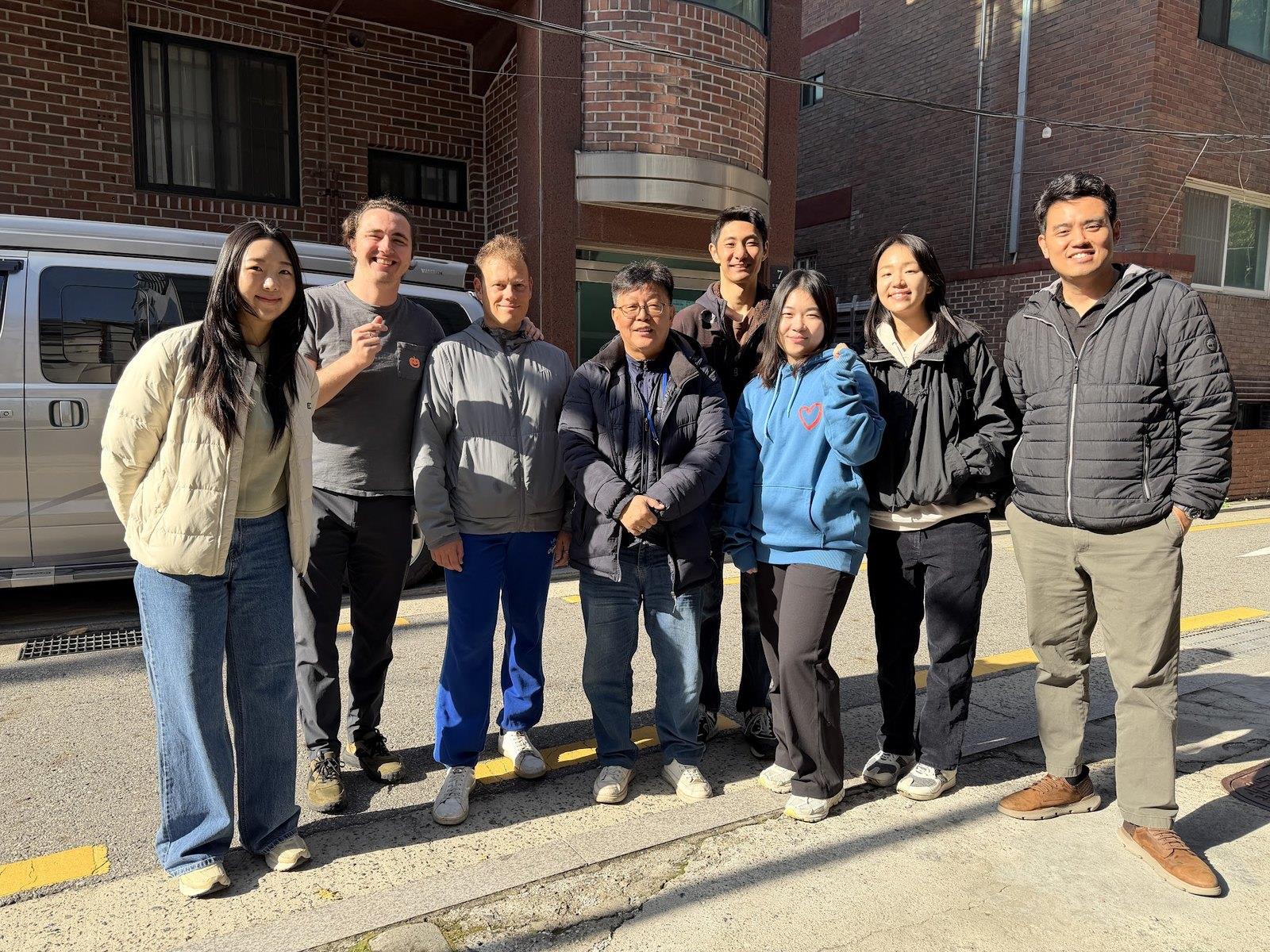
For about two years, a two-bedroom semi-basement flat in Seoul sat packed with belongings, waiting for someone to clear it. Its manager, 주거복지연대 (Citizens for Decent Housing), had not found the volunteers. On Saturday 31 October, seven of us, six members of Seoul Hanmaum Rotary Club and a guest, spent the day there. Four hours later, the rooms were empty.
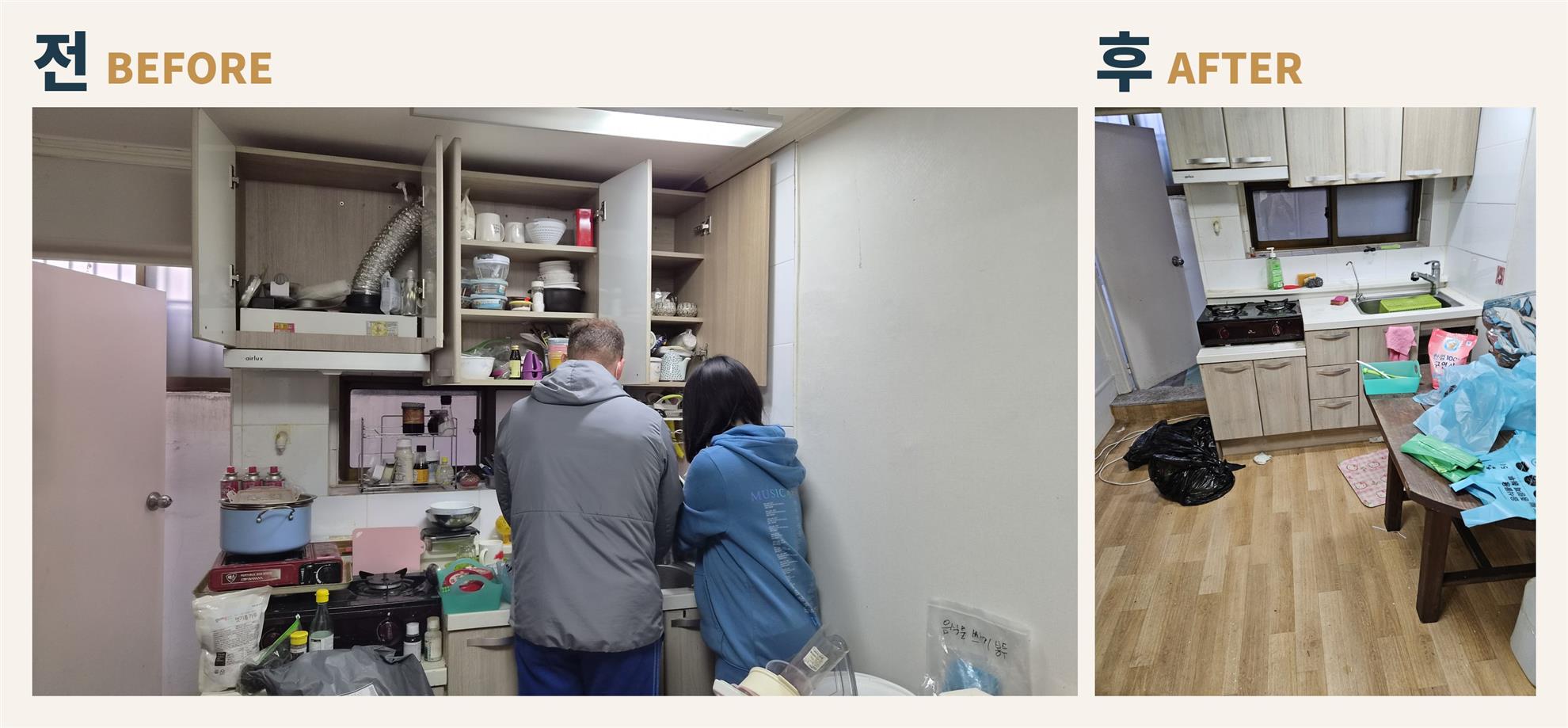
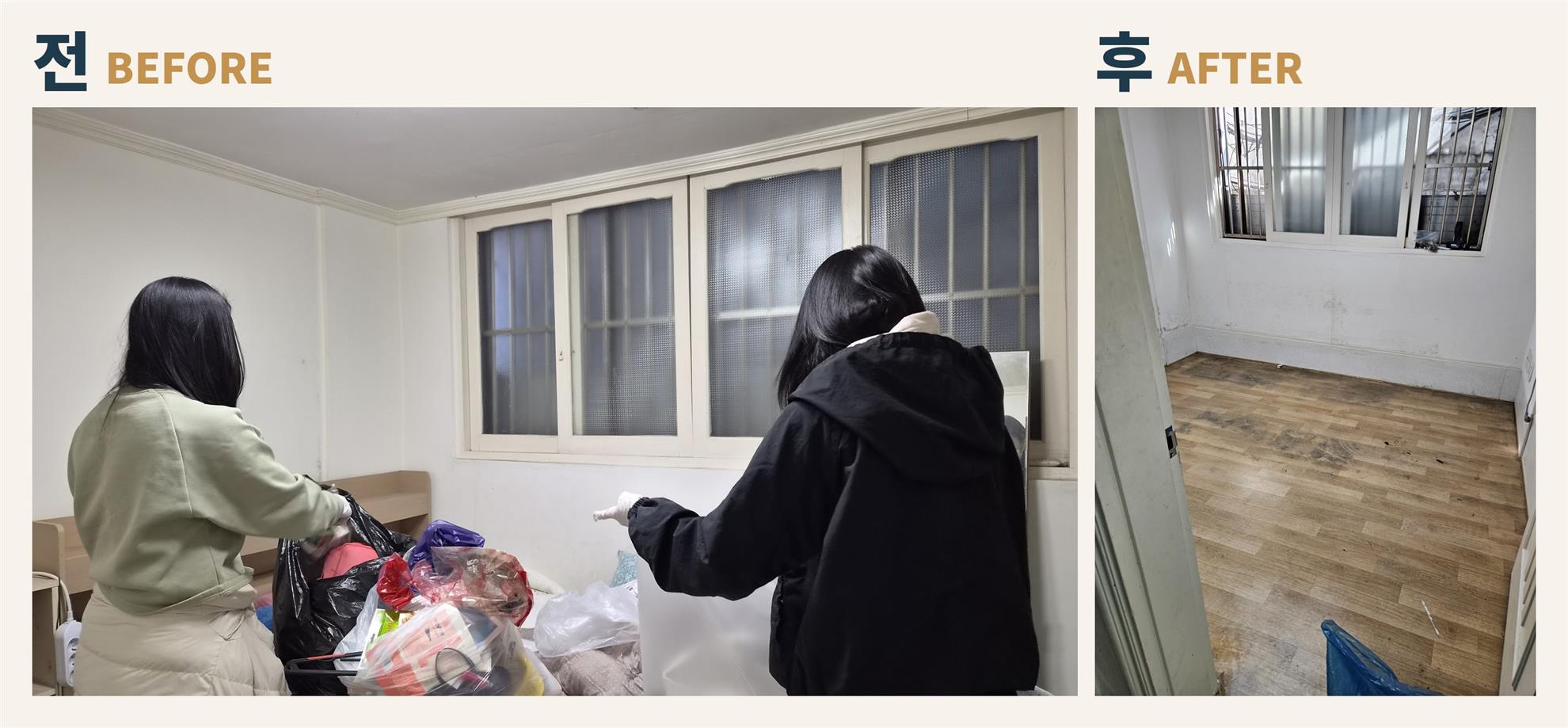
Three rooms, on the morning of the clean-up and at the end of the day.
What we found inside
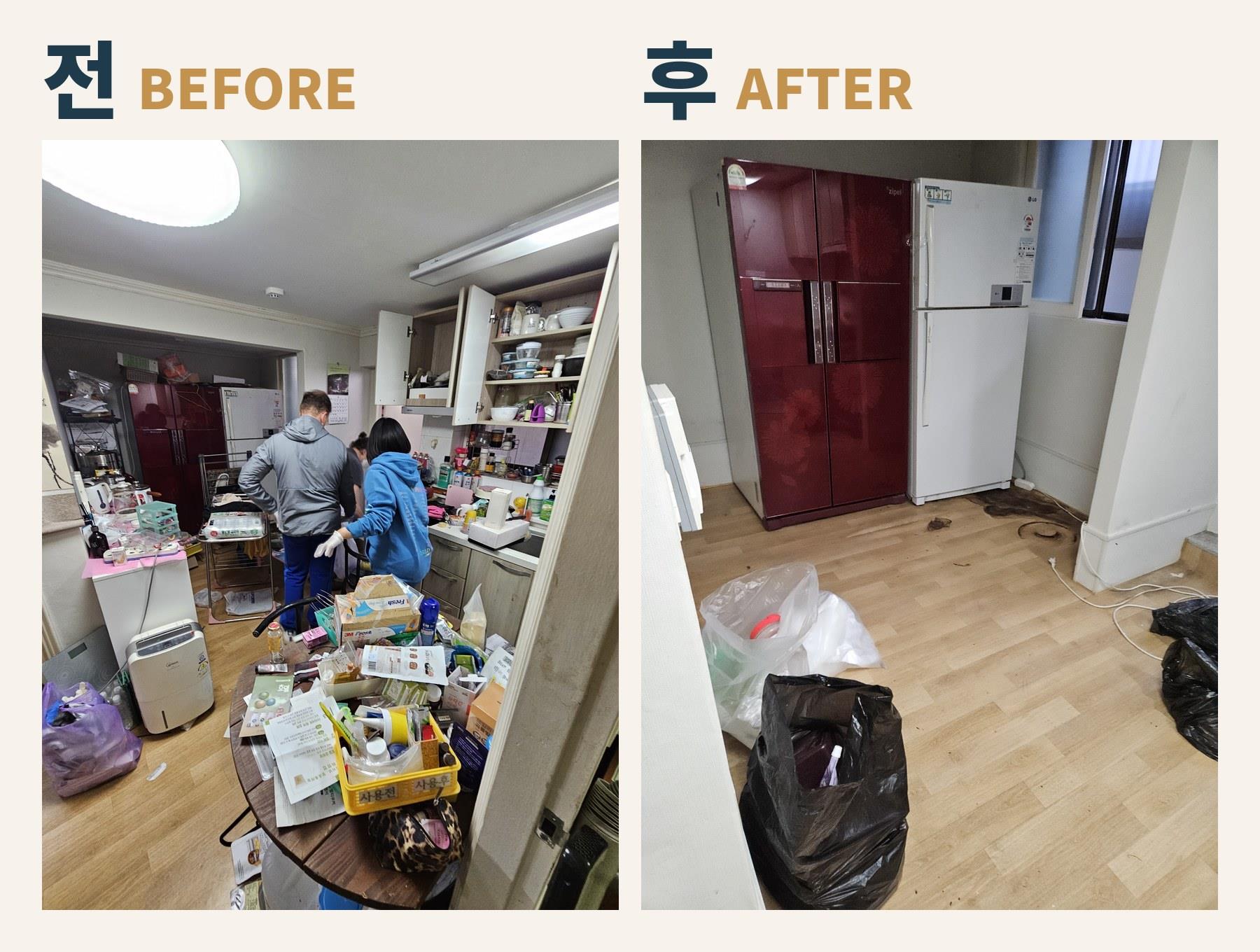
The flat sits half below street level, with small barred windows set high in the wall. Once the bags and boxes were out, dark stains showed across the floor. Our host explained why units like this are hard to live in: "It smells a lot, and the mold builds up badly."
Who we worked with
주거복지연대 is a Seoul nonprofit association founded in 2001. Our hosts told us that LH, Korea's public housing agency, gives it vacant homes it has bought, at no cost, and that it places in them people who fall between public support and private rents. "There are people caught in between, in the blind spot of housing welfare," one of them said.
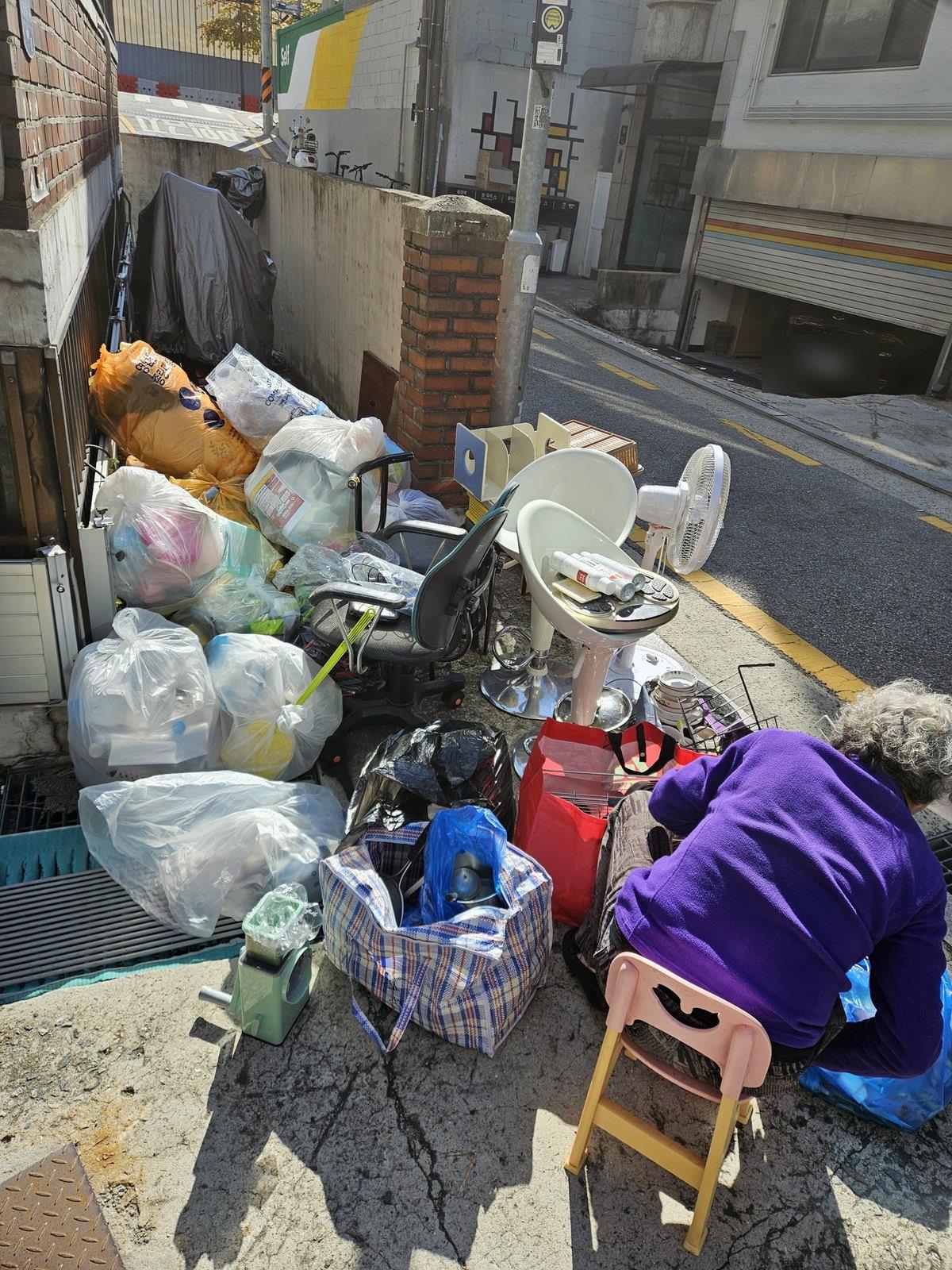
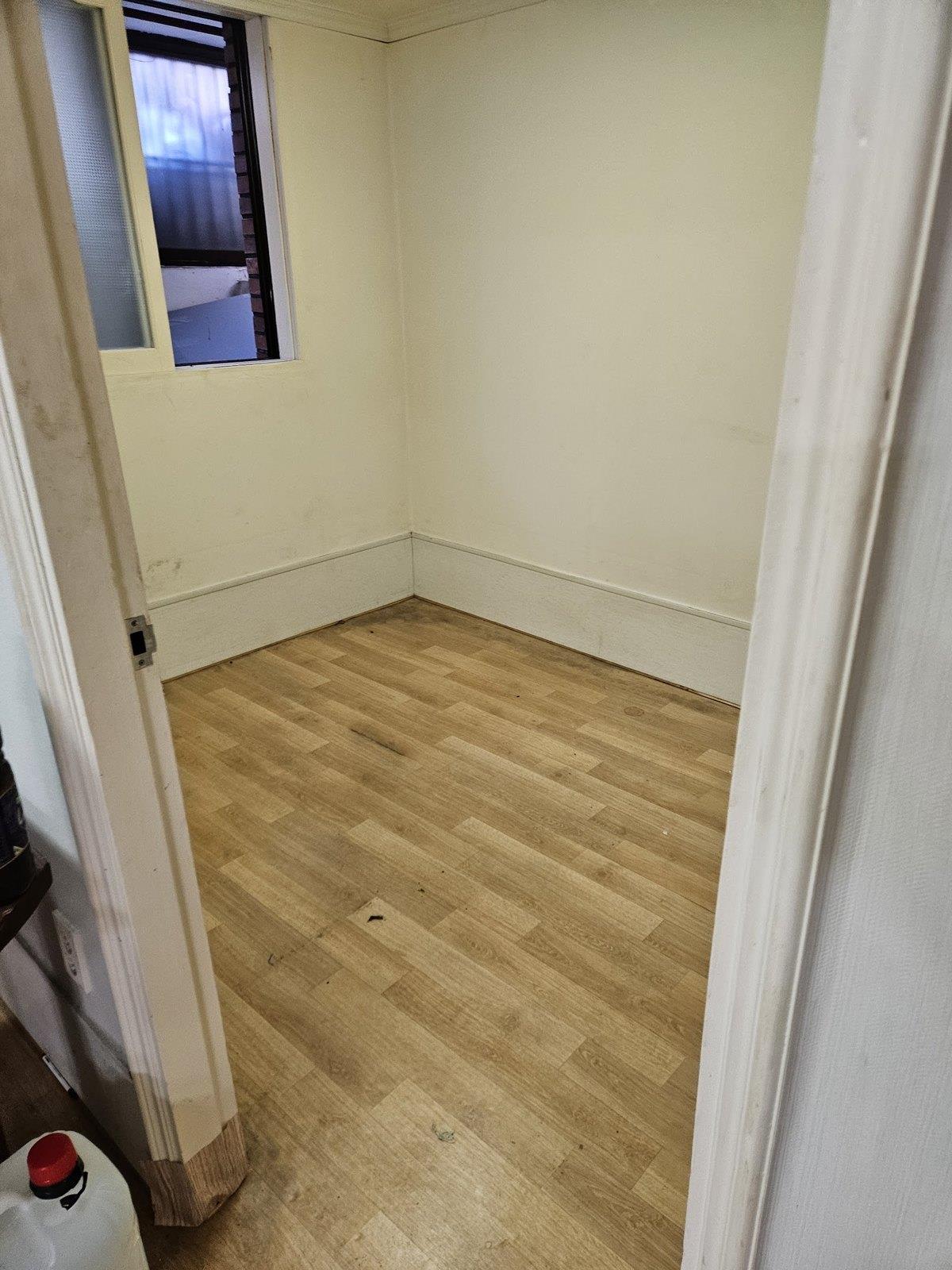
Everything we carried out, and another room at the end of the day.
Why nobody will move in
In August 2022, record rain trapped and killed four people in semi-basement homes in Gwanak and Dongjak (Seoul Economic Daily). Our hosts told us that since then, public housing has stopped placing new tenants in semi-basements. When we asked whether anyone would live in this flat after our clean-up, the answer was short: "No, nobody will be able to live there anymore."
LH has been moving its semi-basement tenants upstairs, 1,044 of 1,810 households by mid-2025, and has turned some of the vacated units into storage lockers (Korea Economic Daily).
The question it leaves
So what should happen to units no one can live in anymore? Our hosts said LH is still working out how to use them, with ideas such as spaces for local residents. Heart of Seoul, our flagship initiative, starts from the idea that Seoul's housing problem is also about how we see a home: as a status marker, or as a place to be stable. We would like to help answer that question, and we are exploring how to keep supporting 주거복지연대's work.
Our short film, 우리가 찾던 집 (The Home We Were Looking For), ends with a promise: our next project would be home repairs for low-income families. On 30 October, it won an encouragement prize in the Rotary Zones 12 and 13 storytelling and Shorts contest. The next morning, we were inside this flat with gloves on. It was a first step toward that promise.
Watch 우리가 찾던 집 on Rotary TV Korea.
Thank you to Jay for finding 주거복지연대 and organizing the day, and to everyone who came, including a member who traveled up from Busan that morning.
Want to join our next service day? Contact us through seoulhanmaumrotaryclub.org.
Sources: Seoul Economic Daily, 18 July 2023; Korea Economic Daily, 17 December 2025. Quotes from our hosts are translated from Korean. Photos: 주거복지연대 and SHRC members. Illustration: Heart of Seoul series.
반지하에서 보낸 네 시간, 그리고 남은 질문
서울의 방 두 칸짜리 반지하 집이 약 2년 동안 짐으로 가득 찬 채 정리해 줄 사람을 기다리고 있었습니다. 이 집을 관리하는 주거복지연대는 봉사자를 찾지 못하고 있었습니다. 10월 31일 토요일, 서울한마음로타리클럽 회원 여섯 명과 손님 한 명이 이곳에서 하루를 보냈습니다. 네 시간 뒤, 방은 모두 비워졌습니다.
집 안의 모습
이 집은 지면보다 절반쯤 아래에 있고, 벽 높은 곳에 방범창이 달린 작은 창문이 있습니다. 짐을 모두 들어내자 바닥 곳곳에 검은 얼룩이 드러났습니다. 이런 집에서 살기 어려운 이유를 묻자, 현장에서 만난 관계자는 이렇게 답했습니다. "냄새 많이 나서 곰팡이 되게 많이 끼거든요."
함께한 단체
주거복지연대는 2001년 설립된 비영리 사단법인입니다. 현장에서 들은 설명에 따르면, LH가 매입한 빈 주택을 무상으로 받아 공공 지원과 민간 임대 사이에 놓인 분들께 제공합니다. 관계자는 "이도 저도 아닌 그 주거 복지 사각지대에 계신 분들이 있어요"라고 말했습니다.
아무도 들어올 수 없는 이유
2022년 8월 기록적인 폭우 때 관악구와 동작구의 반지하 주택에서 네 명이 목숨을 잃었습니다(서울경제). 현장에서 들은 설명에 따르면, 그 이후 공공 임대 반지하에는 새 입주자를 받지 않습니다. 정리를 마친 뒤 이 집에 다시 사람이 살 수 있는지 묻자 답은 짧았습니다. "아니요, 거기도 이제 못 살게 되는 거죠."
LH는 반지하 입주민의 지상층 이주를 지원해 2025년 상반기까지 1,810가구 중 1,044가구의 이주를 마쳤고, 비게 된 반지하 일부를 무인 보관시설로 바꾸었습니다(한국경제).
남은 질문
이제 사람이 살 수 없게 된 집은 어떻게 쓰여야 할까요? 관계자에 따르면 LH는 주민을 위한 공간 등 활용 방안을 아직 검토하고 있습니다. 클럽의 대표 사업인 하트 오브 서울(Heart of Seoul)은 서울의 주거 문제가 집을 바라보는 시선의 문제이기도 하다는 데서 출발합니다. 집을 지위의 상징으로 볼 것인가, 안정된 삶의 터전으로 볼 것인가. 저희는 이 질문의 답을 찾는 데 힘을 보태고 싶고, 주거복지연대의 활동을 계속 도울 방법을 찾고 있습니다.
클럽의 쇼츠 영상 「우리가 찾던 집」은 "다음 프로젝트는 저소득 가정의 집수리"라는 약속으로 끝납니다. 이 영상은 10월 30일 제3회 존 12·13 스토리텔링 및 쇼츠 콘테스트에서 장려상을 받았고, 바로 다음 날 아침 저희는 이 집에서 장갑을 끼고 있었습니다. 그 약속을 향한 첫걸음이었습니다. (영상 보기)
이 단체를 찾아 하루를 준비해 준 Jay 회원님, 그리고 이날 아침 부산에서 올라온 회원님을 비롯해 함께해 주신 모든 분께 감사드립니다.
다음 봉사에 함께하고 싶으신 분은 seoulhanmaumrotaryclub.org로 연락해 주세요.
출처: 서울경제, 2023년 7월 18일; 한국경제, 2025년 12월 17일. 사진: 주거복지연대 및 클럽 회원. 일러스트: 하트 오브 서울 시리즈.